Everything you need to know before buying your first cargo van camper. Learn about costs, features, and what to look for in this complete guide.
So You Want to Buy a Cargo Van Camper
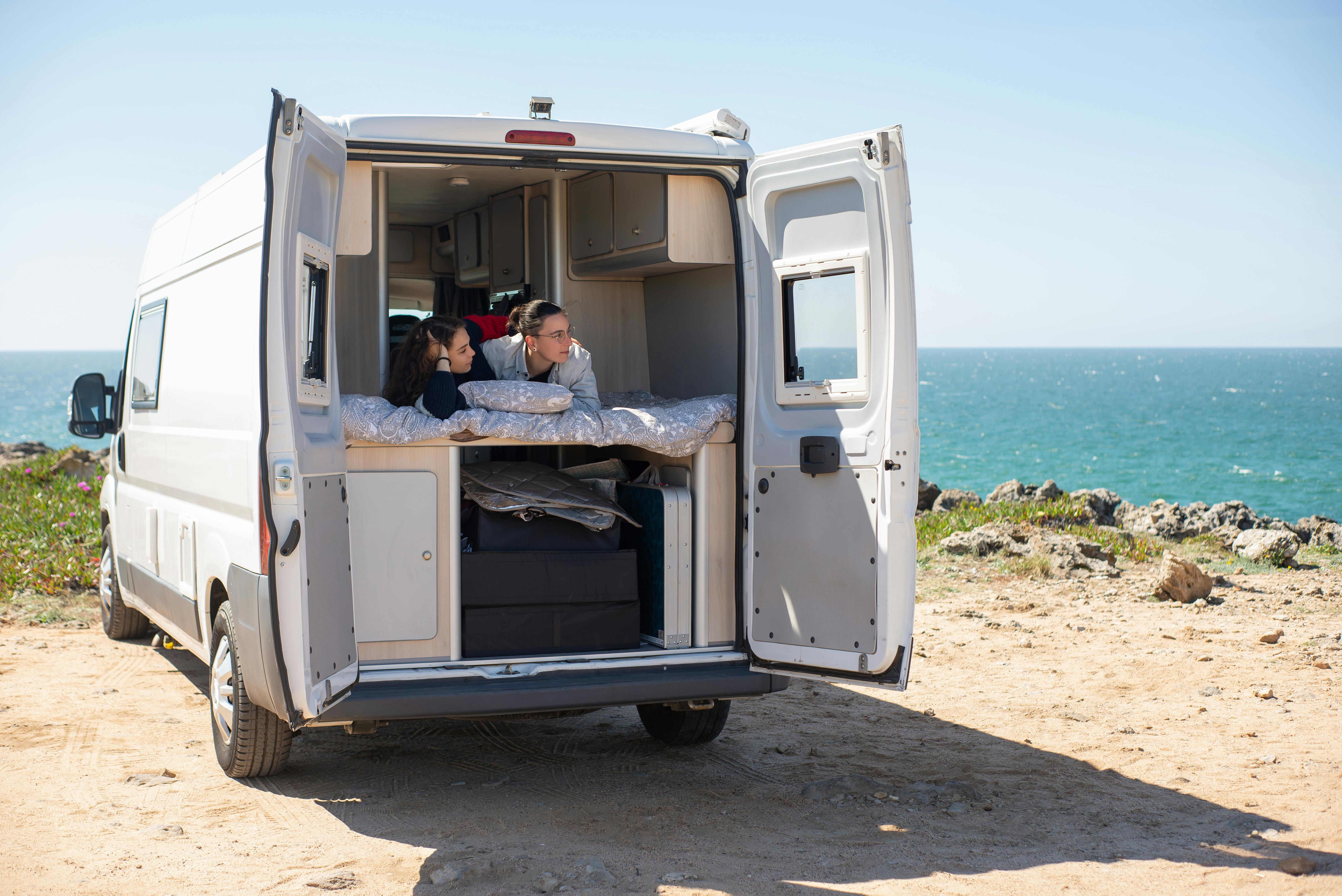
There is something magical about the idea of owning a cargo van camper. You wake up in a new place every morning. You make coffee watching the sunrise through your back doors. You have everything you need tucked into a vehicle that still fits in a regular parking space. It is freedom on four wheels, and it is calling your name.
But hold on a second. Before you empty your savings account and drive home in a shiny new van, let us talk about what you are actually getting into. Buying a cargo van camper is not like buying a regular car. There are more variables, more decisions, and way more things that can go right or wrong.
This guide is going to walk you through everything you need to know. We are talking about the real stuff. Not just the Instagram-perfect moments, but the practical details that determine whether you end up loving your van or regretting the purchase six months down the road. By the end, you will know exactly what to look for, what to avoid, and how to make a smart choice that fits your lifestyle and budget.
Understanding the True Cost of Ownership
Let us start with the elephant in the room. Money. How much does a cargo van camper actually cost, and what are you getting for your dollars?
The Purchase Price
Brand new professional conversions range from about $60,000 all the way up to $200,000 depending on the van model and how fancy the conversion is. That is a huge range, right? A basic conversion with a bed, simple kitchen, and minimal electrical system will be on the lower end. Add a wet bath, premium appliances, fancy cabinetry, and high-end materials, and the price climbs fast.
Used cargo van campers offer better deals for beginners. You can find decent options in the $25,000 to $50,000 range. These are usually a few years old with some miles on them, but still plenty of life left. The sweet spot is often a van that is three to five years old. Somebody else took the depreciation hit, but the vehicle is still modern and reliable.
Beyond the Sticker Price
Here is what a lot of first-time buyers forget. The purchase price is just the beginning. You also need to budget for insurance, registration, maintenance, fuel, and campground fees. Insurance for a converted van can be tricky and sometimes expensive because companies are not always sure how to classify them. Some treat them like RVs, others like commercial vehicles.
Fuel costs add up quick when you are driving a big metal box that gets maybe 15 to 20 miles per gallon. Plan your budget around that reality, especially if you want to travel often.
Maintenance is another ongoing expense. Oil changes, tire replacements, brake jobs, and the occasional repair are part of van ownership. And if something breaks in the conversion itself like the water pump or refrigerator, those repairs come out of your pocket too.
Financing Options
Not everyone can pay cash for a van. Financing is an option, but it works differently than financing a regular car. Some banks offer RV loans for converted vans, which typically have longer terms and slightly higher interest rates than auto loans. Other lenders might require you to get a personal loan or use the van as collateral for a secured loan.
Shop around for rates and read the fine print. Some loans have prepayment penalties. Others require you to put down a bigger down payment if the van is used or has high mileage.
Choosing Between a Pre-Built Conversion and a DIY Project
One of your first big decisions is whether to buy a van that is already converted or take on the project yourself.
Pre-Built Conversions
Buying a van that is already converted means you can start camping immediately. No months of construction. No learning how to wire a solar panel or install a ventilation fan. You just load up your stuff and go.
Professional conversions are built by people who do this for a living. They know how to make everything fit efficiently, how to run electrical systems safely, and how to create layouts that actually work in real life. The craftsmanship is usually solid, and many come with warranties on the conversion work.
The downside? You are paying for that expertise and convenience. And you might not love every decision the builder made. Maybe the bed is not quite the size you wanted, or the kitchen layout does not match how you cook. You get what you get.
DIY Conversions
Building your own van conversion is cheaper if you have the skills and time. You can create exactly the layout you want, choose every material, and put your personal stamp on every detail. Plus, when something breaks down the road, you will know exactly how to fix it because you built it yourself.
But let us be real. DIY conversions are hard work. We are talking hundreds of hours of cutting, drilling, wiring, and problem-solving. You will make mistakes. You will buy the wrong parts. You will have moments where you question every life choice that led you to be crouched in the back of a van at midnight trying to figure out why your water pump is not working.
If you have never done any carpentry, electrical work, or plumbing, the learning curve is steep. You can absolutely learn as you go, thousands of people have, but know what you are signing up for.
What to Look for in the Base Van
Whether you buy pre-converted or plan to build your own, you need a solid base vehicle. Here is what matters most.
Mechanical Condition
This is non-negotiable. The van needs to be mechanically sound. If you are looking at used vans, get a pre-purchase inspection from a trusted mechanic who knows these vehicles. Check the engine, transmission, brakes, suspension, and frame for rust or damage.
High mileage is not automatically a deal-breaker. A well-maintained van with 150,000 miles might be a better buy than a neglected one with 50,000 miles. Look at the service records. Has it been getting regular oil changes? Have major components like the timing belt been replaced on schedule?
Cargo Space Dimensions
Measure the interior cargo area carefully. You need to know the length, width, and height because those dimensions determine what kind of conversion is possible. A van that is 10 feet long inside gives you way more options than one that is only 8 feet long.
Check the door openings too. Can you fit a mattress through the back doors? What about sheets of plywood if you are doing a DIY build? The bigger the door openings, the easier it is to load and unload.
Weight Capacity
Every van has a payload capacity, which is how much weight it can safely carry beyond its own curb weight. Once you add a bed, cabinets, water tanks, batteries, solar panels, and all your camping gear, the weight adds up fast.
If you overload your van, you risk damaging the suspension, brakes, and tires. Worse, you might be driving an unsafe vehicle. Check the door jamb sticker for the Gross Vehicle Weight Rating and do the math to make sure your planned conversion will not push you over the limit.
Gas or Diesel: Making the Right Choice
This debate has been raging for years. Both options have loyal fans and valid arguments.
Gasoline Engines
Gas-powered cargo vans are the more common choice. They cost less to buy, they are cheaper to maintain, and any mechanic can work on them. Parts are easy to find. The engines are quieter and smoother than diesels.
Fuel economy is the main weakness. Expect somewhere between 14 and 18 miles per gallon depending on the van model and how heavy your conversion is. In city driving or mountains, that number drops even more.
For people who camp occasionally or take shorter trips, a gas van makes perfect sense. The lower upfront cost and easier maintenance outweigh the extra money spent on fuel.
Diesel Engines
Diesel vans cost more initially and repairs are pricier, but they deliver better fuel economy, often 18 to 25 miles per gallon. Diesel engines also last longer. It is not unusual to see a well-maintained diesel van hit 300,000 or even 400,000 miles.
The torque from a diesel engine is amazing for climbing mountain passes or hauling heavy loads. If you plan to drive cross-country multiple times a year and rack up serious mileage, diesel can save you money in the long run.
The trade-offs? Diesel fuel is sometimes more expensive than gas and harder to find in rural areas. Cold weather can be tough on diesels, requiring block heaters or special additives in winter. And if something major breaks, the repair bill will make your eyes water.
Evaluating the Interior Conversion Quality
If you are buying a pre-converted cargo van camper, you need to inspect the conversion work like a home inspector examining a house.
Construction Quality
Look at how everything is built. Are the cabinets sturdy or do they flex and wobble? Is the bed frame solid or does it creak and shift when you sit on it? Check all the seams and joints. Good craftsmanship means tight corners, smooth edges, and finishes that look professional.
Open every drawer and cabinet. Do they slide smoothly or stick and bind? Are the hinges heavy-duty or cheap hardware that will break after a few months of use?
Electrical System
This is where many DIY conversions and even some professional builds fall short. Ask about the electrical setup. How big is the battery bank? What type of batteries are installed? Is there solar power, and if so, how many watts?
Test everything. Turn on all the lights. Run the water pump. Check the fridge. Plug in your phone. Make sure the 12-volt outlets work and the inverter can handle the loads you plan to run.
Look for proper fusing and clean wiring. Electrical fires in vans are rare but they happen, usually because someone cut corners on the electrical work. If the wiring looks sketchy, that is a red flag.
Plumbing System
Check the fresh water capacity and the gray water tank size. Turn on the sink and pump. Does water flow smoothly? Are there any leaks under the sink or around fittings?
Look at how the tanks are mounted. Are they secure or just sitting loose in a compartment? In winter, can the tanks and lines be drained to prevent freezing?
Insulation and Climate Control
Good insulation makes a huge difference in comfort. In summer, it keeps the heat out. In winter, it keeps warmth in. Ask what type of insulation was used and how thick it is.
Check for ventilation. Is there at least one roof vent fan? Can windows open for cross-breeze? Without proper airflow, condensation becomes a nightmare and you will wake up to dripping walls and mildew.
New Versus Used: The Smart Decision
We touched on this earlier, but it deserves a deeper look because this decision affects everything else.
Buying New
A brand new cargo van camper is tempting. You get the latest features, full warranties, and the confidence that nothing is about to break. You can pick your exact specifications and walk away knowing you are the first owner.
The cost is the obvious downside. You will pay full retail price, and the moment you drive off the lot, the value drops. New vehicles depreciate fast in the first few years.
However, if you have the budget and you plan to keep the van for a decade or more, buying new makes sense. You get years of worry-free camping and you know the entire history of the vehicle.
Buying Used
The used market is where smart shoppers find value. A three-year-old van has already lost a big chunk of its value to depreciation, but it still has most of its useful life ahead of it.
The challenge is finding a good one. You are at the mercy of how well the previous owner maintained it. Some people baby their vans. Others beat them up. This is why a thorough inspection is so important.
Look for service records, clean titles, and owners who can tell you the history of the van. If someone converted it themselves, ask about the conversion process and what materials they used. If they are selling because they are upgrading to something bigger, that is usually a good sign. If they are selling because the van has been nothing but trouble, well, that tells you something else.
Where You Will Actually Use Your Van
Think hard about how you will use your cargo van camper. Are you planning weekend trips to established campgrounds, or do you want to park in the wilderness for weeks at a time?
If you mostly stay at campgrounds like Lamb City Campground or other RV site rentals, you can rely on hookups for water and electricity. Your van does not need huge batteries or massive water tanks.
But if you want to boondock, you need serious off-grid capability. That means more solar panels, bigger batteries, larger water tanks, and systems designed to go days without any outside resources.
Some campers find a middle ground. They keep a seasonal RV site as a home base where they can restock and recharge, then venture out for shorter off-grid adventures in between.
Getting the Right Insurance
Van insurance is more complicated than regular auto insurance. Call multiple insurance companies and ask specifically about coverage for a converted cargo van camper.
Some insurers offer RV policies that cover the conversion and your belongings inside. Others only cover the base vehicle and treat everything inside as personal property. You need to know the difference because if your van gets totaled, you want the payout to cover both the vehicle and all the conversion work.
Ask about coverage for campground liability, roadside assistance, and full-time living if that is your plan. Some policies exclude coverage if you are living in the van full-time rather than using it recreationally.
Test Driving Is Not Optional
Never buy any vehicle without driving it first. This goes double for cargo van campers. These rigs handle differently than a sedan. They are taller, catch more wind, and have bigger blind spots.
Take the van on the highway and see how it feels at speed. Does it track straight or does it wander? How much does the wind affect it? Test the brakes on a long downhill if possible.
Try parking it in a tight spot. Can you see well enough with the mirrors to back up confidently? Does the turning radius feel manageable?
Pay attention to how the engine sounds and how the transmission shifts. Any weird noises, vibrations, or rough shifting are warning signs of mechanical problems.
Making Your Final Decision
After all your research, test drives, and inspections, it comes down to gut feeling. Does this van feel right? Can you see yourself camping in it, maintaining it, and enjoying it for years to come?
Do not rush. Sleep on it. If the seller is pressuring you to decide immediately, walk away. Good vans sell quickly, but there will always be another one. Making a hasty decision on a $40,000 purchase is a recipe for regret.
When you find the right van at the right price and everything checks out, pull the trigger. You will know when it is the one.
Start Your Cargo Van Camping Adventure
Buying your first cargo van camper is a big step, but now you have the knowledge to make a smart choice. Whether you go new or used, gas or diesel, pre-built or DIY, the key is matching the van to your actual needs and budget.
Once you have your van, you need somewhere amazing to take it. Lamb City Campground in Phillipston, MA is the perfect destination for your first adventure. Located at 85 Royalston Rd, we offer beautiful sites, great amenities, and a welcoming atmosphere for van campers and RV enthusiasts alike. Whether you are passing through or looking to settle in for the season, we have the facilities to make your stay comfortable.
Ready to hit the road? Visit Lamb City Campground to book your site today. We are just a short drive from Boston, MA and offer the perfect escape from city life. Bring your new cargo van camper and discover why our guests keep coming back year after year!