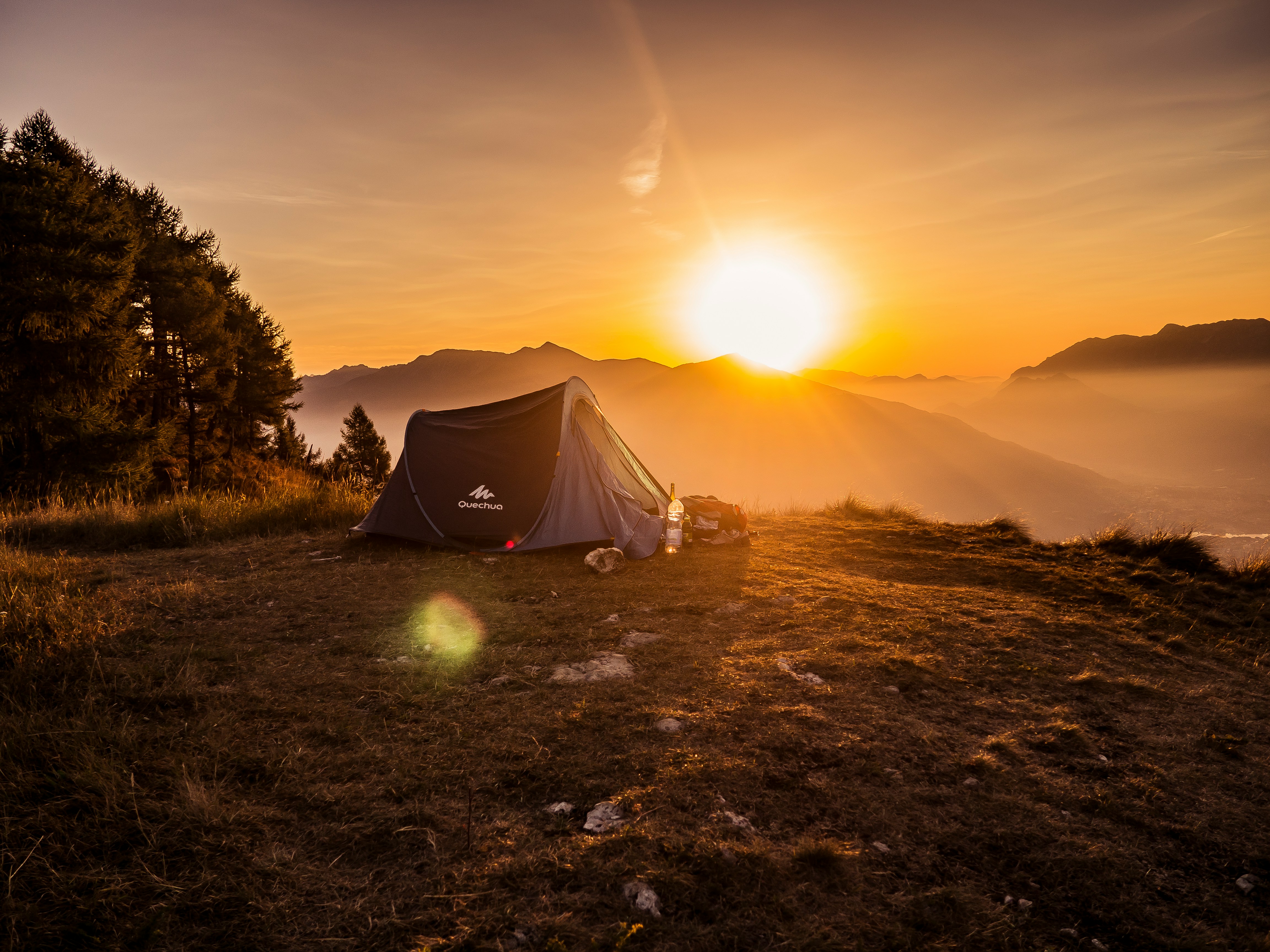
Learn easy camping tarp setup methods to stay dry and comfortable outdoors. Perfect for tent campers and RV enthusiasts visiting Massachusetts.

Why Every Camper Needs to Know How to Set Up a Tarp
You know that feeling when you are out in nature, breathing fresh air, and then the sky opens up? Rain can turn a perfect camping trip into a soggy mess faster than you can say "where did I put the tent stakes?" That is where a good camping tarp setup becomes your best friend.
A tarp is like an insurance policy for your outdoor adventures. It keeps rain off your head, creates shade when the sun is beating down, and gives you a dry spot to cook or hang out. The best part? You do not need to be a Boy Scout troop leader to figure it out. Anyone can learn to set up a camping tarp, and we are going to show you exactly how.
Whether you are a tent camper looking for extra protection or an RV camper wanting a covered outdoor space, mastering a few basic tarp setups will make your time at Lamb City Campground or anywhere else so much better.
What You Need for a Basic Camping Tarp Setup
Before we get into the how-to part, let us talk about what you actually need. The good news is that tarp camping does not require a ton of expensive gear.
The Tarp Itself
Pick a tarp that is big enough to cover your needs but not so massive that you need a whole day to set it up. For most campers, a 10x10 foot or 12x12 foot tarp works great. Look for something waterproof and made from ripstop material so it does not tear the first time a branch touches it.
Rope or Paracord
You will need about 50 to 100 feet of rope total. Paracord is popular because it is strong, lightweight, and does not take up much space in your camping bin. Regular nylon rope works fine too.
Stakes or Anchors
These hold your tarp down at ground level. Metal stakes are sturdy and work well in most soil types. Bring at least six to eight stakes, though having a few extra never hurts.
Poles (Optional but Helpful)
Trekking poles, adjustable tarp poles, or even sturdy sticks you find at your campsite can help create height and shape in your setup. If you are camping at an RV site, you might be able to tie off to your vehicle or awning hardware.
Bungee Cords or Tensioners
These make adjusting your tarp so much easier. They help you get the right amount of tension without having to retie knots fifty times.
The A-Frame Setup: Your Go-To Camping Tarp Configuration
If you only learn one camping tarp setup, make it the A-frame. This classic design sheds rain like a champ and takes about ten minutes to put together once you get the hang of it.
Step One: Find Your Ridge Line
Look for two trees that are roughly 10 to 15 feet apart. Tie your rope between these trees at about head height or slightly higher. This rope becomes your ridge line, which is basically the backbone of your whole setup.
Make sure the rope is tight. A sagging ridge line means a sagging tarp, and that means water pooling right where you do not want it.
Step Two: Drape the Tarp
Throw your tarp over the ridge line so that it hangs down evenly on both sides. Think of it like you are making a tent roof. The fold in the middle should run along your rope.
Step Three: Stake Out the Corners
Pull each corner of the tarp out at an angle and stake it into the ground. You want the tarp to be tight but not stretched so hard that it might rip. Aim for about a 45-degree angle from the ridge line down to the ground.
Step Four: Adjust for Rain Protection
Here is a trick that many beginners miss. Make sure one end of your A-frame is lower than the other, or angle the whole thing slightly. This helps rain run off instead of pooling in the middle. Water always finds the lowest point, so give it a path away from your camping area.
This setup gives you a solid roof overhead and open sides for airflow. If the wind picks up or rain starts coming in sideways, you can stake down one or both of the side edges to create walls.
The Lean-To Setup: Quick and Simple
Sometimes you do not need a full overhead shelter. Maybe you just want a windbreak or a shaded area to sit. The lean-to camping tarp setup is perfect for these situations.
How to Build a Lean-To
Tie one edge of your tarp to a high point like a tree branch or your vehicle roof rack. Then pull the opposite edge down toward the ground at an angle and stake it out. You end up with a slanted roof that blocks sun or rain from one direction.
This works great at seasonal RV sites where you want to extend your outdoor living space. You can set it up right next to your RV to create a covered patio area.
The lean-to does not offer protection from all sides, but it is fast to set up and uses less rope and fewer stakes than other configurations. On a breezy summer day, it gives you shade without blocking the cooling wind.
The Diamond Fly: Maximum Coverage
Want more space under your tarp? The diamond fly camping tarp setup gives you the most usable area underneath.
Setting Up a Diamond Fly
Instead of draping your tarp lengthwise over a ridge line, you turn it 45 degrees so one corner points up. Tie that top corner to a high point like a tree branch or a pole. Then stake out the three remaining corners at ground level.
This creates a pyramid shape with one high point in the middle. Rain runs down all four sides, and you get good headroom right in the center.
The diamond fly takes a bit more fiddling to get the tension right, but once you do, it is rock solid. This setup works well when you need to cover a larger area, like a picnic table or your cooking station.
Common Mistakes and How to Avoid Them
Even experienced campers mess up their tarp setups sometimes. Here are the most common mistakes and how you can dodge them.
Mistake One: Not Creating Enough Slope
A flat tarp is a recipe for trouble. Water will pool in the middle, and before you know it, you have a giant water balloon over your head. Always angle your tarp so water can run off. Even a gentle slope makes a huge difference.
Mistake Two: Tying Knots Too Complicated
You do not need to know every knot in the book. A simple bowline or taut-line hitch will handle most situations. If you cannot remember fancy knots, even a couple of half hitches will do the job. The goal is to keep things secure but also easy to adjust and untie later.
Mistake Three: Setting Up Too Low
If your tarp is too close to the ground, you will feel cramped and water might still blow in. Give yourself at least five to six feet of clearance at the highest point. This gives you room to move around and improves airflow.
Mistake Four: Ignoring the Wind Direction
Check which way the wind is blowing before you start. Position your tarp so the open side faces away from the wind, or close off that side if a storm is coming. Fighting the wind all night because you set up backward is no fun.
Tips for Setting Up in Different Conditions
Not every campsite comes with perfect trees in perfect spots. Here is how to adapt your camping tarp setup to different situations.
When Trees Are Scarce
No trees? No problem. You can use trekking poles, adjustable tarp poles, or even your vehicle as anchor points. If you are camping near Boston, MA and staying at a campground with facilities, you might find picnic shelters or posts you can tie off to.
Another option is to drive stakes at angles into the ground and tie your ridge line between those. It takes more stakes and stronger cord, but it works when trees are not available.
In Heavy Rain
When serious weather is coming, make your tarp extra secure. Add more stakes around the perimeter, dig small drainage trenches to channel water away from under your tarp, and make sure that ridge line is drum-tight. Consider creating a steeper angle so water rushes off faster.
In Hot, Sunny Weather
Focus on creating shade and airflow. Set up your tarp higher off the ground to let hot air escape from underneath. Position it to block the afternoon sun, which is usually the hottest part of the day. A lean-to facing west in the afternoon can drop the temperature in your camping area by several degrees.
In Windy Conditions
Wind is the enemy of loose tarps. When it is blustery, use more stakes than you think you need. Guy out all the edges and add extra lines from the middle of each side if your tarp has grommets there. Lower your overall profile so the wind has less to grab onto.
Maintaining Your Tarp and Gear
A good tarp can last for years if you take care of it. After each trip, shake off dirt and debris, let it dry completely before packing it away, and store it somewhere cool and dry. Mildew is the silent killer of camping tarps, and it starts growing on damp fabric that gets stuffed in a bag.
Check your tarp regularly for small tears or holes. A bit of repair tape or seam sealer can fix minor damage before it becomes a major problem. Replace worn ropes and rusty stakes before they fail at the worst possible moment.
Practice Makes Perfect
The first time you try a camping tarp setup, it might take a while. You will pull stakes up and move them, retie ropes, and probably walk around your tarp scratching your head a few times. That is totally normal.
The best thing you can do is practice at home before your trip. Set up your tarp in the backyard on a sunny afternoon. Try different configurations. See how long it takes. Figure out which knots work best for you. When you show up at your campsite and can throw up a tarp in fifteen minutes while other campers are still reading instructions, you will feel like a camping rockstar.
Ready to Put Your New Skills to Use?
Now that you know how to handle a camping tarp setup, you are ready for whatever weather comes your way. Rain or shine, you will have a comfortable space to enjoy the outdoors.
Lamb City Campground offers the perfect place to practice your new tarp skills. With wooded sites, open areas, and all the amenities you need, it is an ideal spot for tent campers, RV campers, and everyone in between. Located at 85 Royalston Rd in Phillipston, MA, we are just a short drive from the greater Boston area.
Ready to plan your next camping adventure? Visit Lamb City Campground to book your stay today. Whether you need an overnight RV site or want to become a seasonal camper with your own spot all summer long, we have got you covered. Come see why campers keep coming back year after year!