Learn how to store camping gear, food, clothing, and outdoor items during your seasonal stay with this simple guide for campers.
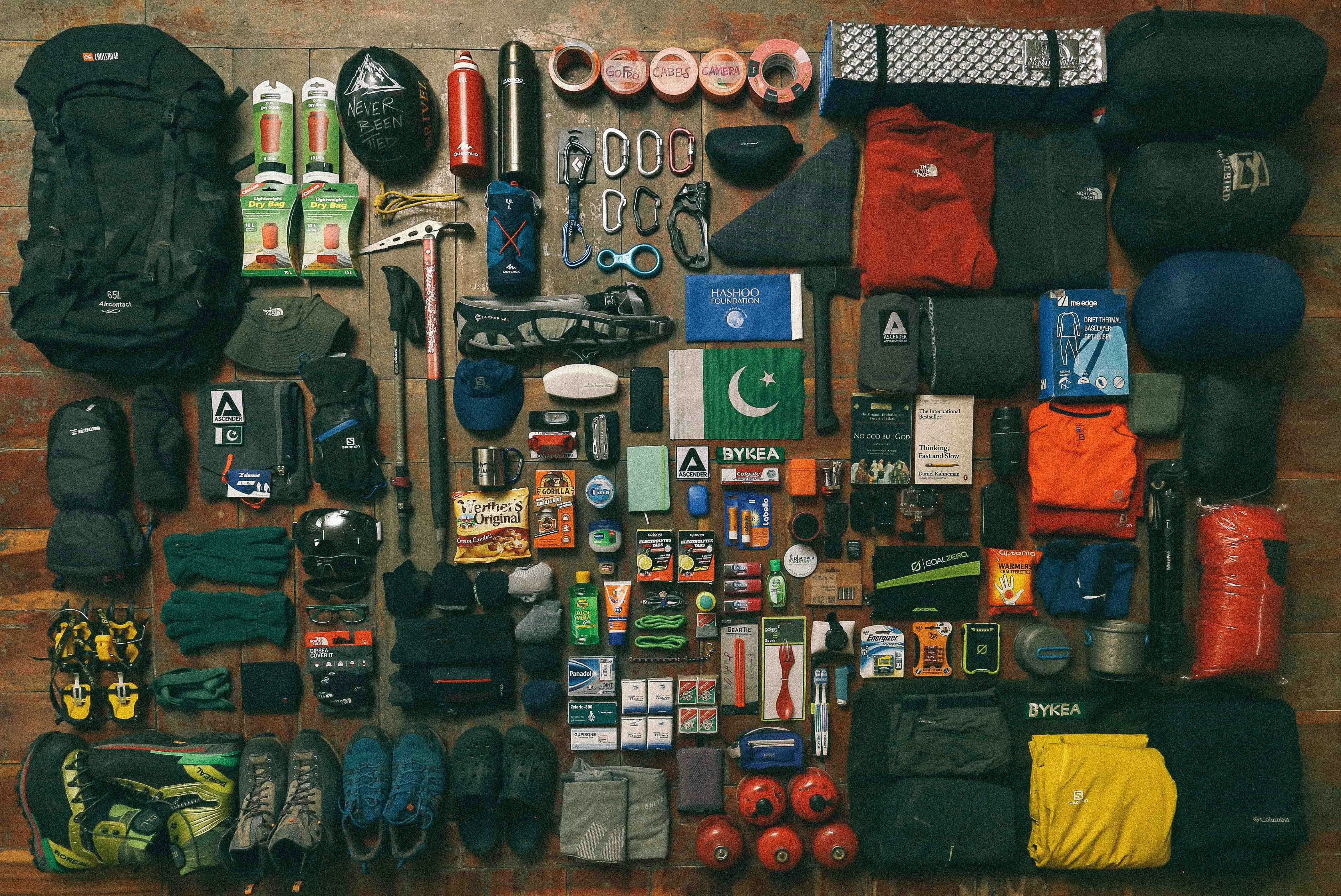
When you spend a full season camping, your campsite can start to feel like a second home. You bring clothes, cooking supplies, outdoor games, tools, chairs, food, and enough camping gear to make your first trip look like a small moving day.
At first, everything seems easy to manage.
Then one day, you open a storage bin and wonder, “How did I end up with this much stuff?”
That is where good storage planning can make your seasonal camping experience much easier.
Whether you stay in an RV, spend the season at a campground, or return to the same campsite regularly, the right storage system helps you keep your belongings organized, protected, and easy to find. You do not need a giant storage shed or a complicated system. A few smart habits can make a big difference.
This guide will help you understand how to store your camping gear, clothing, food, outdoor equipment, and seasonal items during your stay.
Why Storage Matters for Seasonal Campers
Seasonal camping is different from a weekend camping trip.
When you camp for a weekend, you usually pack what you need and bring everything home afterward. During a seasonal stay, your campsite may hold your belongings for weeks or months.
That means storage becomes part of your everyday camping routine.
Without a plan, items can quickly end up:
- Under the bed
- Inside every cabinet
- On the floor
- In the back of your vehicle
- Inside random plastic bags
- In boxes that you have not opened since the first week of the season
Before long, finding a flashlight can feel like searching for buried treasure.
Good storage helps you save space, protect your belongings, and spend less time looking for things. It also helps keep your campsite cleaner and more comfortable.
Start With a Simple Storage Plan
Before you buy storage containers or bring more items to your campsite, take a few minutes to think about what you actually need.
Start by dividing your belongings into simple groups.
For example:
- Cooking and food supplies
- Clothing
- Camping equipment
- Outdoor games
- Tools and maintenance items
- Cleaning supplies
- Personal items
- Seasonal decorations
Once everything has a category, storage becomes much easier.
You can then keep similar items together instead of placing everything wherever there happens to be an empty corner.
A simple rule can help:
If you use something together, store it together.
Keep grilling supplies near other outdoor cooking items. Store swimming gear in one container. Keep tools together instead of placing a screwdriver in one drawer and the rest of your tools in three different locations.
You will thank yourself later.
Use Storage Containers That Match Your Needs
Storage containers are useful for seasonal campers because they keep items together and make it easier to move belongings when needed.
You do not need every container to be the same size. Different items require different types of storage.
Clear Containers for Everyday Items
Clear plastic containers make it easy to see what is inside without opening every box.
They work well for:
- Small camping equipment
- Cooking supplies
- Toys
- Outdoor games
- Cords and chargers
- Small tools
If you use a container that is not clear, add a label to the front. A simple label such as “Outdoor Games” or “Cooking Supplies” can save you from opening five boxes to find one item.
Larger Containers for Bulky Items
Large containers work well for items such as:
- Blankets
- Folding chairs
- Camping pillows
- Outdoor cushions
- Seasonal clothing
Be careful not to make these containers too heavy. A large box filled with clothing is easy to carry. A large box filled with tools, books, and heavy equipment may become a small workout you did not ask for.
Water-Resistant Containers for Outdoor Gear
Items stored outside may be exposed to rain, moisture, dirt, and changing temperatures.
For outdoor equipment, consider using storage containers with secure lids. These can help protect items from moisture and keep dirt and insects away.
Always check the condition of your containers from time to time. A cracked lid or damaged container may not protect your belongings as well as it did at the start of the season.
Create a Storage System Inside Your RV
If you are staying in an RV, every bit of space matters.
The good news is that you can often find storage space in places you may not think about at first.
Consider using:
- Under-bed storage
- Overhead cabinets
- Storage compartments
- Hanging organizers
- Shelving
- Small bins inside cabinets
The key is to avoid filling every space with random items.
Instead, give each storage area a purpose.
For example:
- One cabinet for cooking supplies
- One area for clothing
- One container for outdoor activities
- One space for cleaning supplies
This makes it easier to put things back where they belong.
The best storage system is one that you can actually maintain. If putting something away takes five minutes, you may stop doing it after a few days. If you can put it away in a few seconds, you are much more likely to keep your space organized.
Store Clothing by Season
Clothing can take up a surprising amount of space during a seasonal stay.
You may not need heavy jackets and sweaters during the warmer part of the season. At the same time, you may want to keep them nearby in case the weather suddenly turns cold.
New England weather can be unpredictable. One day you may be wearing shorts. A few days later, you may be searching for a jacket.
A useful solution is to divide clothing by how often you wear it.
Keep everyday clothing in your main storage area. Place clothing that you may only need occasionally in a separate container.
You can also store clothing by season:
- Warm-weather clothing
- Cool-weather clothing
- Rain gear
- Extra blankets
- Special event clothing
Before storing clothing for a long period, make sure it is clean and completely dry. Storing damp clothing can lead to unpleasant odors and other problems.
Keep Food Storage Simple and Safe
Food storage is another important part of seasonal camping.
It is easy to buy extra snacks, drinks, canned goods, and cooking supplies when you are staying at a campground for an extended period.
However, food storage can quickly become messy if you do not keep track of what you have.
Try grouping food by type.
For example:
- Breakfast items
- Snacks
- Cooking ingredients
- Canned goods
- Drinks
- Outdoor cooking supplies
Use containers for small items that are easy to lose. This can help keep food storage areas cleaner and easier to manage.
You should also check food regularly. Look for expired items, damaged packaging, or anything that should not be stored at your campsite.
Do not leave food in places where animals can easily reach it. Follow campground rules and use proper storage practices for food and waste.
Nobody wants to wake up and discover that a hungry visitor has turned their campsite into an all-you-can-eat buffet.
Protect Your Camping Gear Between Uses
Seasonal campers often bring equipment that is used only once in a while.
This may include:
- Extra tents
- Sleeping bags
- Air mattresses
- Camping stoves
- Lanterns
- Folding tables
- Extra tarps
- Fishing equipment
Before putting these items away, check that they are clean and dry.
This is especially important for items that may have been exposed to rain, mud, or moisture.
A sleeping bag that is packed away while damp can develop a bad smell. A wet tent can also become damaged if it stays packed for too long.
Clean, dry, and store your camping equipment after each use whenever possible.
It may take a few extra minutes, but those minutes can save you from opening a storage bag months later and discovering that something smells like it spent the summer living in a swamp.
Use Vertical Space When Possible
Many campers focus only on the floor when thinking about storage.
However, walls, doors, and other vertical spaces may also offer useful storage options.
Depending on your camping setup, you may be able to use:
- Hanging organizers
- Wall-mounted shelves
- Hooks
- Over-the-door storage
- Hanging bags
Just make sure any storage solution is allowed by your RV, campsite, or campground rules.
Vertical storage can be especially helpful for small items such as:
- Hats
- Towels
- Small bags
- Cleaning supplies
- Cooking tools
When everything is spread across the floor, your space can feel crowded. Moving some items upward can help free up valuable floor space.
Create a Dedicated Area for Outdoor Items
Outdoor equipment has a way of spreading everywhere.
One chair is beside the RV. A game is near the picnic table. A folding table is leaning against something. A cooler is sitting in the middle of the walkway.
Before you know it, your campsite looks like an outdoor storage room.
Creating one dedicated area for outdoor equipment can help keep your site organized.
Keep items such as:
- Chairs
- Outdoor games
- Coolers
- Folding tables
- Sports equipment
in one general area whenever possible.
You do not need a perfect campsite that looks like it belongs in a magazine. You just need a setup that works for you and keeps walkways clear.
Think About Storage When Choosing What to Bring
One of the easiest ways to improve storage is to bring fewer unnecessary items.
This does not mean you need to become a minimalist who owns one spoon and calls it a kitchen.
It simply means you should think about how often you will actually use something.
Before bringing an item to your seasonal campsite, ask yourself:
“Will I use this during the season?”
If the answer is no, consider leaving it at home.
You can also ask:
- Do I already have something that does the same job?
- Does this item take up more space than it is worth?
- Will I need to store it when I am not using it?
- Is it worth bringing for one possible situation?
Sometimes, the best storage solution is not bringing another item into the campsite in the first place.
Keep Important Items Easy to Reach
Some items should always be easy to find.
These may include:
- Flashlights
- First aid supplies
- Rain gear
- Basic tools
- Phone chargers
- Important documents
- Emergency supplies
Do not place these items at the bottom of a storage container filled with things you rarely use.
Items you use often should be easy to reach. Items you rarely use can go farther back.
This simple system can make daily life much easier.
Plan for the End of the Season
Seasonal camping eventually comes to an end, and storage becomes even more important when it is time to pack up.
You may need to remove:
- Clothing
- Food
- Personal belongings
- Outdoor equipment
- Decorations
- Camping gear
A few weeks before the end of your stay, start making a list of what needs to go home.
Do not wait until the final day to begin.
Packing little by little can make the process much less stressful. You can also clean and inspect your belongings before putting them away for the next season.
This is a good time to get rid of items you no longer use.
If you have not used something all season, ask yourself whether you really need to bring it back next year.
Make Seasonal Camping Storage Work for You
There is no single storage system that works for every camper.
Your needs may be different depending on whether you stay in an RV, camp in a tent, bring children, travel with pets, or spend most of your time outdoors.
The important thing is to create a system that fits your routine.
Keep similar items together. Label containers. Protect items from moisture. Store frequently used belongings where you can reach them easily.
Most importantly, do not make your storage system more complicated than it needs to be.
Camping should be enjoyable. You should be spending time outside, relaxing with family and friends, and enjoying your seasonal stay. You should not need a map, compass, and detective badge to find your camping chairs.
If you are looking for a place to enjoy a longer camping stay in Massachusetts, you can learn more about Lamb City Campground and the different ways you can enjoy your time at the campground. You can also learn more about RV site rentals and find information for visitors planning a trip from the Boston area through Boston, Massachusetts camping.
For campers who want a more extended camping experience, seasonal RV sites can provide a place to return to throughout the camping season.
A little planning can make your seasonal campsite feel more comfortable, organized, and ready for the memories ahead. Take the time to create a storage system that works for you, and you can spend less time searching for your belongings and more time enjoying your stay.