
Plan lighthouse tours and coastal drives for New England RV campers with tips on routes, stops, and the best home base for your trip.
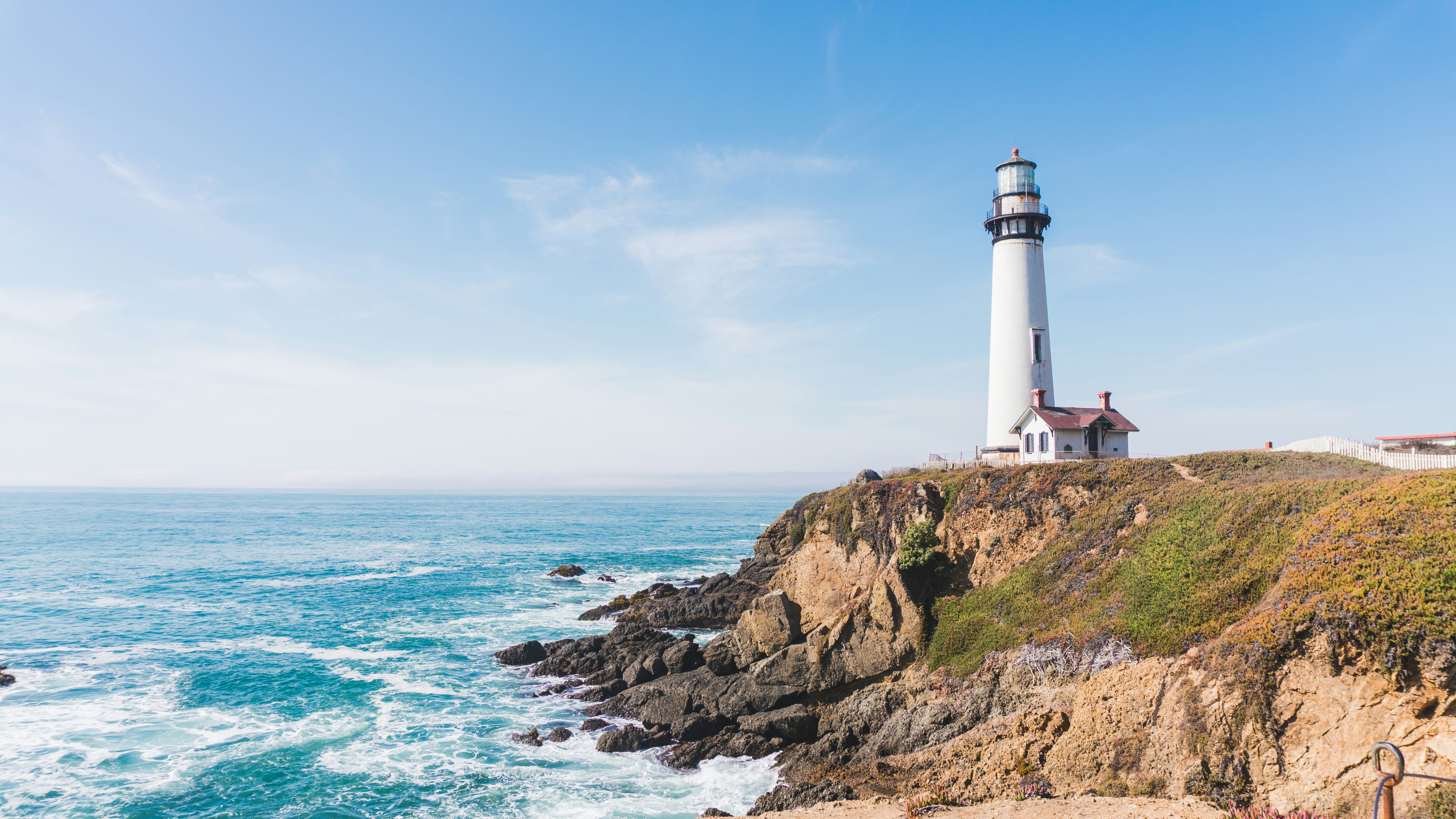
There is something about a lighthouse that makes you slow down. Maybe it is the way it stands alone on a rocky point, or maybe it is the thought of every sailor who once looked at that same light and felt a little less lost. Whatever the reason, lighthouses have a pull on people, and if you are packing up your rig for a New England trip, you are in one of the best places on the map to feel that pull for yourself.
Lighthouse tours and coastal drives for New England RV campers are not just a fun afternoon activity. They are a whole way to see this region. New England has a shoreline that bends and twists for thousands of miles, dotted with small towns, rocky beaches, and old lighthouses that have watched over ships for two hundred years or more. Whether you are pulling a travel trailer, driving a Class A, or set up in a tent for the weekend, this guide will help you plan a coastal trip that you will talk about for years.
Why New England Is Made for This Kind of Trip
New England was built by the sea. Fishing towns, shipbuilding ports, and quiet harbor villages line the coast from Connecticut all the way up to Maine. Because so much shipping traffic passed through these waters, lighthouses were built at almost every point, cove, and harbor mouth that needed one. Some of them are still working lights today. Others have been turned into small museums or bed and breakfasts that you can visit and learn from.
The good news for campers is that most of these lighthouses sit along scenic coastal roads, not tucked away on private land you cannot reach. That means you can plan a drive that hits several lighthouses in a single day, stop for lunch at a seafood shack along the way, and still make it back to camp before dark.
Planning Your Route Before You Leave
Before you hit the road, take a little time with a map. New England is smaller than it looks on paper, but the coastal roads twist a lot, so travel times are usually longer than a straight line would suggest. A drive that looks like it should take one hour might take two, especially in the summer months when the coastal towns fill up with visitors.
Here are a few things to think about while you plan:
- Pick a home base first. Choose one spot to park your rig and take day trips from there instead of moving your whole setup every night. This saves you time, gas money, and the hassle of hitching up and unhitching over and over.
- Group lighthouses by region. Do not try to see the whole coast in one day. Pick two or three lighthouses that are close together and build your day around them.
- Check the tide schedule. Some lighthouses sit on causeways or rocky paths that flood at high tide. A quick search the night before can save you a soggy pair of shoes.
- Leave room for detours. Some of the best stops on a coastal drive are not on any list. A roadside farm stand or a quiet cove can be just as memorable as the lighthouse itself.
A Sample Coastal Drive Anyone Can Follow
If you want a simple way to get started, here is a route that works well for a day trip and does not require driving your RV on tight coastal roads. Instead, unhook your tow vehicle or drive a smaller car for the day, and let your rig rest at camp.
Morning stop: Start early and drive toward the coast while the light is still soft. Early morning is the best time to get photos without a crowd of people standing in front of the lighthouse.
Midday stop: Head to a second lighthouse a short drive away. Pack a lunch or stop at a local spot for chowder or a lobster roll. Many small coastal towns have a general store or diner that has been serving the same simple food for generations.
Afternoon stop: Visit a third lighthouse, then take some time to walk the beach or a nearby trail. Many lighthouse parks have short walking paths with views of the water that are worth the extra half hour.
Evening: Head back to camp before the sun goes down. Coastal roads can be tricky to drive after dark, especially where fog rolls in off the water.
This kind of loop keeps your day full without wearing everyone out, and it gives you plenty of stories to tell around the fire that night.
What Makes a Good Lighthouse Stop
Not every lighthouse needs a long visit. Some are small and quiet, perfect for a quick photo and a short walk. Others have museums, gift shops, or guided tours that can fill an hour or more. Here is what to look for when deciding how long to stay:
- Walking access. Some lighthouses are right off the road, while others need a short hike to reach. Check ahead if you are traveling with young children or anyone who has trouble walking on uneven ground.
- Museum or visitor center. If the lighthouse has a small museum attached, it is worth setting aside extra time. These places often have old photos, tools, and stories from the keepers who once lived there.
- View points. Some of the best photos are not from right next to the lighthouse, but from a distance where you can see the whole structure against the water and sky.
- Bathrooms and parking. Small coastal towns sometimes have limited parking, especially in summer. Arrive early if you can, and always have a backup plan in mind.
Tips for RV and Tent Campers Doing Coastal Drives
Coastal roads in New England are beautiful, but they were not built with large rigs in mind. Many of them are narrow, curvy, and lined with stone walls or trees close to the shoulder. A few simple habits will make your coastal drive much less stressful.
Leave your rig at camp. Unless you are only staying one night, it is almost always easier to see the coast in a smaller vehicle. Save the big rig driving for getting to and from your campground.
Fill up on gas before you start. Small towns along the coast do not always have gas stations, and the ones they do have can get busy in the summer.
Bring cash. Some smaller shops, parking lots, and lighthouse gift shops still prefer cash over cards, especially in more remote spots.
Check the weather. Coastal fog can roll in fast, cutting visibility down to almost nothing in a matter of minutes. If the forecast calls for fog, plan your lighthouse visits for later in the morning once it usually clears.
Pack layers. Even on a warm day, the wind off the water can feel cold once you step out of the car. A light jacket in the trunk goes a long way.
Making the Most of Your Stay Near the Coast
A coastal drive is even better when you have a comfortable, quiet place to come back to at the end of the day. That is where choosing the right campground makes all the difference. Lamb City Campground sits close enough to the coast for easy day trips, while still giving you the peace and quiet of a wooded campground setting once you get back.
If you are bringing a full size rig, the RV site rentals offer the hookups and space you need to relax after a long day of driving and sightseeing. For campers who want to spend a whole season near the coast instead of just a weekend, the seasonal RV sites give you a home base that is ready whenever you want to come back for another round of lighthouse hunting.
Located at 85 Royalston Road in Phillipston, Massachusetts, the campground also puts you within a reasonable drive of the coast, and not far from the Boston, MA area if you want to add a city day to your trip. Between the harbor towns to the east and the quiet campground setting inland, you get a nice mix of adventure and rest without spending your whole trip in the car.
A Trip Worth Slowing Down For
Lighthouse tours are not about rushing from one stop to the next. They are about standing on a rocky point, feeling the wind, and thinking about how many people have stood in that same spot over the years. New England gives you that feeling again and again, one small town and one old light at a time.
Whether you are pulling in for a single weekend or setting up for the whole season, a coastal drive through New England is the kind of trip that sticks with you. Pack a lunch, check the tide chart, and give yourself time to wander. The lighthouses will still be standing when you get there, just like they have been for a couple hundred years already.
Ready to plan your own coastal adventure? Book your stay at Lamb City Campground today and give yourself a comfortable place to rest between lighthouse stops and coastal drives.

.jpg)